On the one hand, AI is often portrayed as a threat to creators, an infringement of copyright and a challenge to the unique character of art rooted in human experience, emotion and sensitivity. Generative AI may contribute to the homogenisation of content, turning dominant aesthetic patterns into a repetitive and widely adopted standard. On the other hand, artificial intelligence is viewed as a tool that significantly expands an artist's creative capabilities, enabling experimentation with form and style. Works created through such collaboration undoubtedly evoke strong reactions. They can fascinate, inspire, provoke, unsettle or even spark opposition just as powerfully.
The development of generative AI shifts the focus from the question of the human place in art to the question of the nature of human agency. The issue is no longer limited to the physical creation of a work of art, but concerns the ability to guide and shape the creative process. The advancement of artificial intelligence does not necessarily have to lead to the disappearance of traditional forms of artistic expression, relegating brushes, canvases or chisels to museum exhibits. Rather, it should serve as an alternative, not a substitute, for artists and art itself. Augmented art allows different forms of creativity to coexist, from those based on traditional craftsmanship to those driven by algorithms, while leaving the choice to us, as artists and audiences. Perhaps, then, the most significant change in the years ahead will be the need to redefine what we truly expect from art and why we continue to need it.
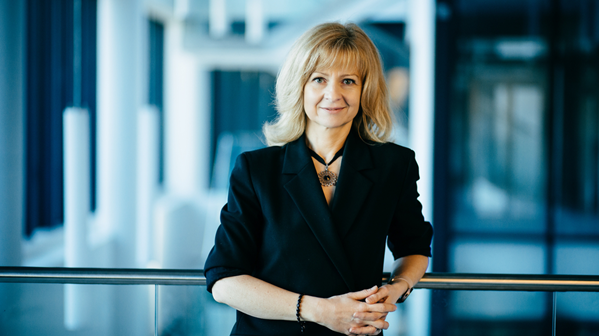
These issues are explored in the commentary “Czy AI Art się (o)broni?” [Can AI Art Defend Itself?] by dr hab. Dominika Kaczorowska-Spychalska, Associate Professor at the University of Lodz, published in the report “Twórcy w erze AI. Szanse, obawy, realia” [Creators in the Age of AI: Opportunities, Concerns and Realities] prepared by the Digital Poland Association.