Erasmus+ projects – benefits for the researcher and the university
Commitment to Erasmus+ projects opens up unique professional development opportunities for researchers: participation in international consortia, cooperation with partners from the academic and business sectors, as well as access to innovative teaching methods and research tools. Projects such as ARIEES also strengthen teaching competences by implementing new content and forms of education, for example, regarding responsible investment and impact economics. At the institutional level, these benefits of participation are equally significant: the university increases its visibility in the European space, develops its educational offerings and expands its network of strategic relationships with international partners. It is also a way to obtain funding for research and teaching activities, and build a competitive advantage in the higher education market.
Erasmus+ projects – why one should take part in them
Engaging in Erasmus+ means participating in projects with a real social and economic impact. ARIEES is an example of how international initiatives can inspire actual changes – both in science and entrepreneurship. It should be emphasised that the programme provides space for implementing individual research ideas, opens doors to cross-border collaboration and makes it possible to gain experiences not available through traditional academic activities. We believe that promoting the successes of already implemented projects – such as the creation of functional educational tools and collaboration platforms – will inspire more staff and students to take advantage of the enormous potential offered by Erasmus+.
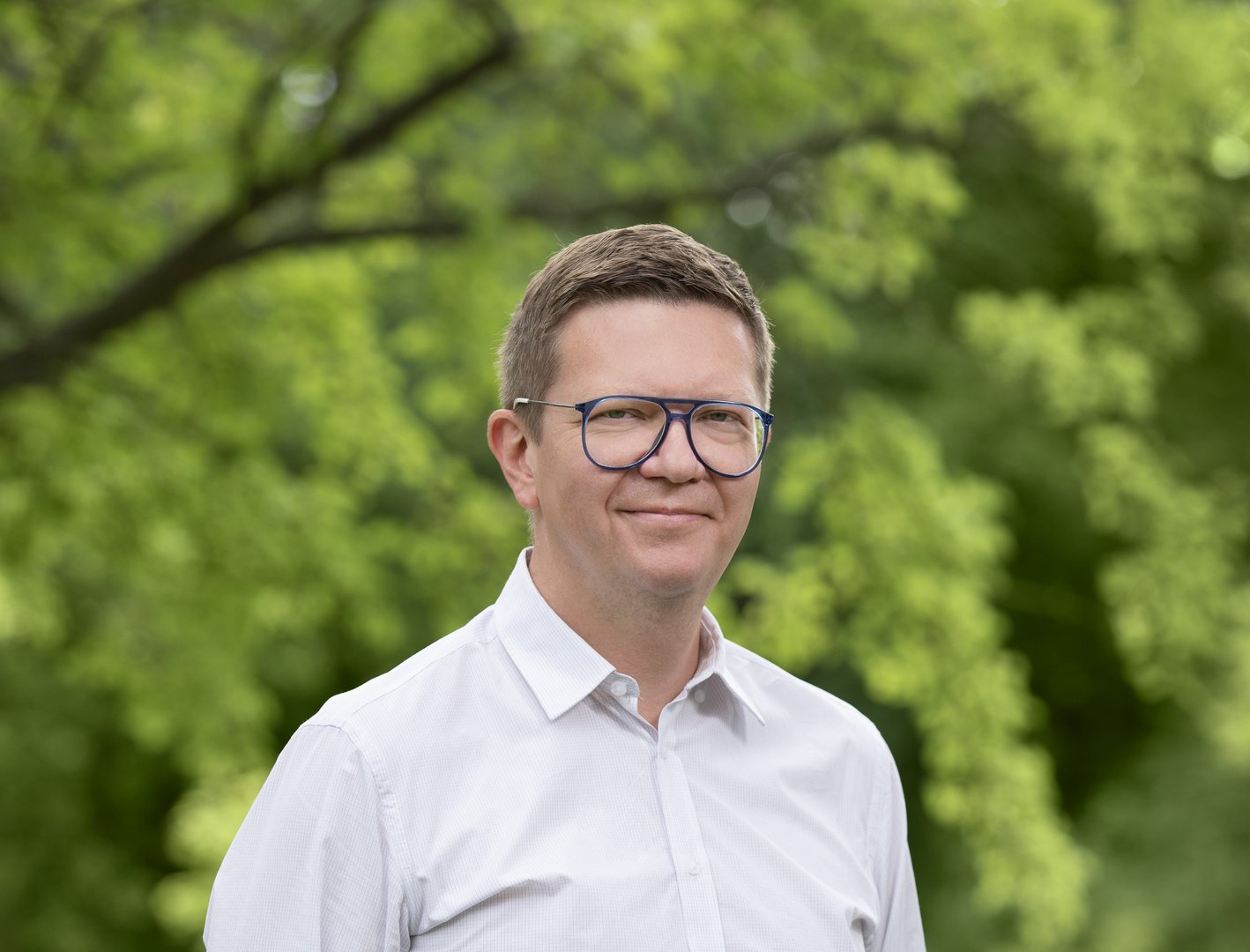
More information about Erasmus+ projects implemented at the Faculty of Management of the University of Lodz and an interview with dr hab. T. Bartosz Kalinowski, Associate Professor at the University of Lodz, about the ARIEES project can be found in the Compendium of Erasmus+ projects from the Higher Education sector.
Photo of dr hab.T. Kalinowski by Bartosz Kałużny, Centre for External Relations and Social Responsibility of the University, University of Lodz, University of Lodz
Edit: Faculty of Management, University of Lodz